
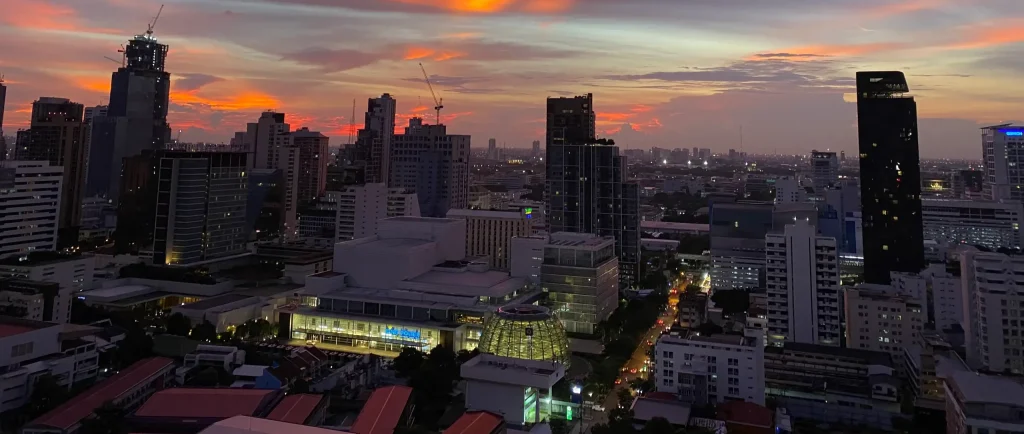
Before buying property in Thailand, it is worth asking yourself: could renting perhaps be the better decision, at least for now? For many foreigners, the answer is surprisingly often: yes, at least in the initial phase. In many regions, the rental market is fast, flexible and, compared with European cities, usually attractively priced. At the same time, it is less “standardised” than in Switzerland: many things you may be used to, such as clear utilities costs, handover protocols or repair rules, are not automatically regulated but must be actively agreed upon.
This article helps you decide whether renting fits your goals and highlights the most important advantages and disadvantages as well as typical pitfalls.
When renting in Thailand makes sense
Renting is particularly useful if you are still getting to know Thailand, only stay there seasonally, or are not yet 100% sure about the location and lifestyle. Many people underestimate how big the differences are between neighbourhoods, islands, coastal regions and cities, not only in terms of price, but also regarding noise, traffic, humidity, flood risk, neighbourhood, infrastructure and building management. A rental year is often the cheapest “due diligence” you can get.
Renting can also make financial sense: you do not tie up capital, you are not under pressure to sell, and you can move flexibly if your life plans or visa situation change. Especially for short- to medium-term plans, meaning 1–3 years, renting is often the less stressful solution.
Renting an apartment (Condominium) or a House: Which one is better?
An apartment in a condominium building is often the easiest entry point for many people. The buildings usually offer security, management, clear house rules and often shared facilities such as a pool or fitness room. Repairs to common areas are organised, and you have less to deal with regarding garden maintenance, roofing, water pumps or pest control.
A house gives you more space and privacy, and often more of a “Thailand feeling”. In return, you take on more everyday risks: humidity, termites, air-conditioning maintenance, water and electricity issues, security questions and, depending on the location, greater dependence on how reliably the owner resolves problems. If you are not permanently on site, a house without reliable support can quickly become impractical.
Advantages of Renting
The biggest advantage is flexibility. You can change location without having to organise a complicated ownership structure or sale. Especially in Thailand, this is a real advantage, as you often only realise after a few months whether the area really suits you.
Another advantage is risk reduction. Many problems only become visible in daily life: noise from construction sites or bars, poor management, mould and humidity, water problems or neighbours who rent out permanently. As a tenant, you can move if necessary; as a buyer, you either have to live with the problem or sell with effort and possible losses.
Last but not least, renting is often the better starting point if you want to buy later. You learn market prices, room for negotiation and warning signs without paying expensive lessons as an owner.
Disadvantages of Renting that you should know in advance
Renting does not build wealth. Your money does not “work” in the property, and you do not benefit from any possible increase in value. There may also be restrictions: pets are often problematic, especially in condos, changes or renovations are usually not allowed, and some landlords are slow or difficult when it comes to repairs. Often, properties are already furnished, and larger adjustments or changes must be discussed with the landlord.
Another disadvantage is that the legal and practical quality of rental relationships can vary greatly. Without a good contract and clean documentation, you can quickly find yourself in an unpleasant evidentiary situation regarding the deposit, damage and repairs.
Typical rental periods and contract models
Many rental agreements in Thailand run for 6 or 12 months, sometimes with monthly termination, more often in the lower-price segment, or for longer periods such as 2–3 years. The longer the term, the better the price often is, but the more important a good contract becomes.
It is important to know that Thailand distinguishes clearly between “normal rent” and long-term leases. Once you move toward long-term, investment-like models, for example 30 years, the matter becomes legally and administratively much more complex, including registration. For classic residential rent, most people stay within the range of one year.
the most common pitfalls when renting in Thailand
1) Deposit and repayment: the classic issue
2 months’ deposit + 1 month in advance is common. However, more important than the amount is the rule: when and under what conditions will it be repaid? Without a clear agreement, the deposit is often used as negotiation material at the end, especially when cleaning, minor damage or wear and tear are discussed.
2) Condition at move-in: if you cannot prove it, you may pay for it
Most rental properties are furnished. If you do not document what is already damaged when you move in, such as scratches, stains, defective appliances or mouldy spots, it may later be claimed: “That was you.”
A short video documentation on the day of move-in, supplemented by a few photos of the air-conditioning units, kitchen, bathroom, furniture, walls, windows and locks, can often save you hundreds of francs.
3) Repairs: who pays for what?
This is the biggest source of conflict. In Europe, many things are included; in Thailand, they are often a matter of negotiation. You should clarify whether, for example, air-conditioning servicing, defects in the boiler, water pumps, leaks or electrical problems are covered by the owner, and how quickly they must respond. Otherwise, you either pay yourself or live with the problem for a long time.
4) Ancillary costs and billing: electricity, water and internet
Electricity can become very expensive when air-conditioning is used intensively. Clarify in advance whether electricity is charged at the government rate or whether there is a separate “house tariff”. Internet is often paid separately. For apartments, it should be clear who pays the general management costs or common fees. Usually this is the owner, but not always.
5) House rules: your contract says “okay”, the building management says “no”
For apartments, the following applies: even if the owner allows something, such as a pet, the building management may have rules that effectively prevent it. This is one of the most common reasons why tenants have to move out again after only a few weeks or end up in stressful situations. If you have pets or other special requirements, check the house rules as well and do not rely only on the landlord’s consent.
Agent or direct rental? Both can work well
Many properties are offered through agents. This can be very convenient because you have a contact person and often find a solution more quickly. However, it can also mean that information becomes soft, because the agent mainly wants to close the deal.
Renting directly from the owner can be cheaper and more personal, but then you need even more clarity in the contract and reliable communication.
My tip: whether agent or owner, in the end you need a contract that you understand and a contact person who actually responds when problems arise.
How to use renting as a strategy
If you want to buy later, a rental year can be part of your strategy. You test the location, building quality, management, seasonal noise and rain issues, as well as everyday logistics. You learn which standards are decisive for you, such as a quiet location, good windows, reliable management and fast repairs. This allows you to make a much better-informed purchase decision later, or you may realise that renting is actually the better long-term solution for you.
Conclusion: Is renting a good alternative to buying?
For many foreigners, the answer is: yes, especially at the beginning or when the time horizon is uncertain. Renting gives you flexibility, reduces risk and is often the most pragmatic way to really get to know Thailand before making a long-term commitment. At the same time, you should not approach renting “too casually”: a good contract, clear rules on repairs and the deposit, and clean documentation when moving in are the difference between relaxed living and constant stress.