
Land Titles and Land Use Certificates in Thailand: Chanote, Nor Sor 3 and Condominium Title Deed Explained Simply
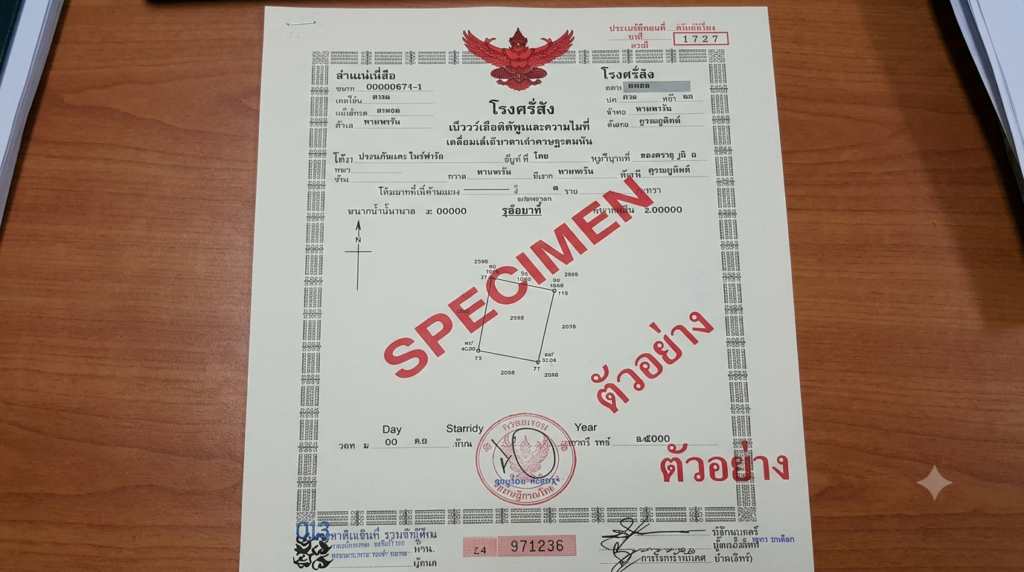
Anyone wishing to buy or lease land, a house, a villa or a condominium in Thailand on a long-term basis must carefully examine the land title. This article explains Chanote and Condominium Title title deed, and Nor Sor 3, Nor Sor 3 Gor Deed certicicates
Checklist for Buying a House or Condominium in Thailand: What Due Diligence Is Required?

Before purchasing or leasing a property in Thailand, buyers should choose the appropriate due diligence process. This overview links to the main checklists for condominiums, houses and villas, and off-plan projects.
Buying or Leasing a completed House or Villa in Thailand: Due Diligence for the Land, Building and Leasehold
When buying or entering into a long-term lease of a house or villa in Thailand, buyers should carefully examine the land title, owner, building, access, encumbrances, leasehold rights, usufruct, superficies and registration.
Buying Off-Plan or Developing an Individual Construction Project in Thailand: Due Diligence for the Developer, Contractor and Project
When purchasing off-plan or developing an individual construction project in Thailand, buyers should carefully examine the developer, contractor, project land, building permit, Environmental Impact Assessment, payment schedule, construction agreement, termination rights and liability for defects.
Buying an Apartment or Condominium in Thailand: Due Diligence for Foreign Buyers

When purchasing a condominium in Thailand, foreign buyers should carefully examine the Foreign Quota, unit title, registered owner, encumbrances, transfer of funds, purchase agreement, fees and registration at the Land Office.
Renting an Apartment or House in Thailand: A Good Alternative to Buying, or a Transitional Solution?

Renting an apartment or house in Thailand can be a flexible and practical alternative to buying, especially for foreigners who are still exploring locations, lifestyle and long-term plans. This article explains when renting makes sense, the pros and cons of condos and houses, and the most common pitfalls regarding deposits, repairs, utilities and house rules.
Can I Secure My Loan with Land in Thailand?

Can you secure a private loan with land in Thailand? Yes, through a registered mortgage at the Thai Land Office. This article explains how the process works, what role the Chanote title deed plays, and why foreigners should be careful with alternatives such as Kai Faak.
Thailand No Longer Tolerates Nominee Companies for the Purchase of Houses

Thailand is taking a stricter approach toward nominee companies used by foreigners to buy houses and land. This article explains why Thai company structures with nominee shareholders are legally risky, what has changed in enforcement, what penalties may apply, and what affected foreign property owners should consider.
Buying Property in Thailand as a Foreigner: Which Structure Really Protects You?
Many people approach property with a very European mindset: “If I buy it, then it belongs to me.” In Thailand, that is exactly the moment when you need to pause and take a closer look, because the legal system draws a very strict distinction between land and rights connected to a building. The key principle […]