
How can International Companies organise AI in a compliant way within a group?
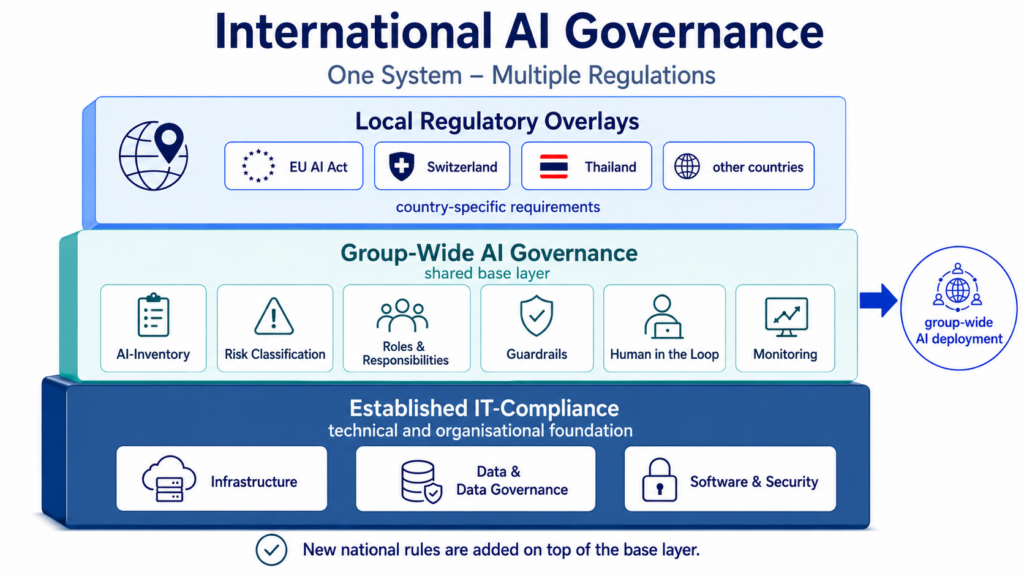
This article explains how international companies can establish group-wide AI governance as a common base layer and supplement it with local legal requirements. It also shows why AI compliance must build on existing IT processes and be supported by technical guardrails and continuous monitoring.
Can a Swiss employee live in Thailand and work remotely from there for a Swiss company?

A Swiss employee can generally live in Thailand and work remotely for a Swiss company. However, employers must carefully assess visa status, tax residence, payroll, social security, permanent establishment risks and insurance coverage.
Destination Thailand Visa (DTV): Thailand’s Visa for Remote Workers, Digital Nomads and Long-Stay Visitors

Thinking about moving to Thailand as a remote worker, digital nomad, freelancer, or long-stay visitor? Learn everything about the Destination Thailand Visa (DTV): eligibility, requirements, costs, remote work rules, 180-day stays, five-year validity, and how to apply.
Can a Swiss Employee Work temporarily Remotely from Thailand? Workcation Rules, Visa Options and Employer Risks
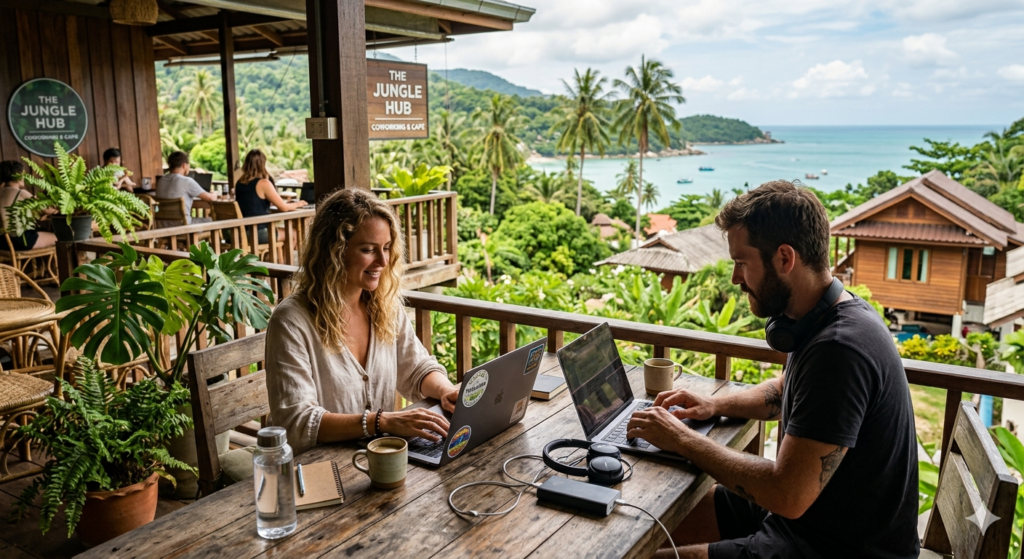
A workcation in Thailand may be possible for Swiss employees, but employers should assess and document it carefully. Key risks include visa status, taxes, social security, employment law, data protection, insurance, and potential permanent establishment exposure.
Remote Work: Legal Challenges for Employers
Remote work offers companies greater flexibility, but also creates legal challenges for employers. Clear rules are essential regarding place of work, social security, taxes, data protection, and industry-specific regulations.
Living in Thailand for 3–6 Months: Which Rental Option Is Right for You?

Which rental option is ideal for Swiss residents in Thailand for 3–6 months? Condo, house, monthly rental, serviced apartment, hotel, or Airbnb – including advantages and common pitfalls.